HomeCompatible voltages

Compatible voltages

(19 products found)

Discover the importance of compatible voltages in ensuring the optimal performance of your electrical devices. Understanding voltage compatibility is crucial for preventing damage and enhancing efficiency. Our comprehensive guide delves into the various voltage standards, their applications, and how to select the right voltage for your needs. Whether youre working with household appliances or industrial equipment, mastering compatible voltages will help you make informed decisions and maintain safety in your electrical systems.

Frequently Asked Questions about Chargers and Adapters with Compatible Voltages

How do I pick chargers and adapters when voltages vary across devices?
Choose chargers and adapters with universal voltage support and multiple output options to cover different devices. Look for safety features like over-voltage protection, surge resistance, and smart charging chips that adjust power delivery. For travel, select compact adapters with a stable build and clearly labeled voltage ranges. Always verify that the charger supports the device’s charging standard and connector type to ensure safe, efficient power delivery.
What is the difference between fast charging standards and why does it matter?
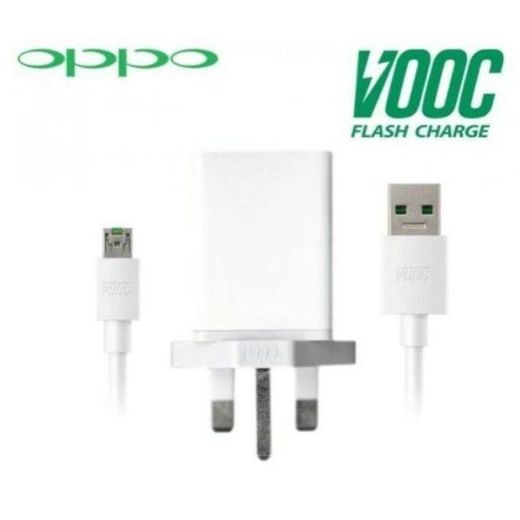
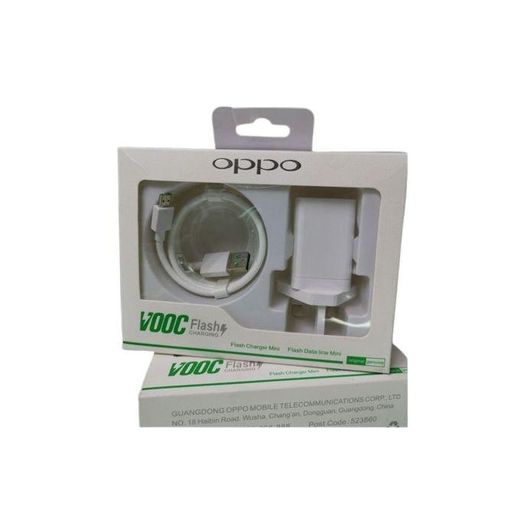
Fast charging standards like VOOC, USB Power Delivery, and Quick Charge speed up charging by negotiating higher voltages and currents with the device. The right standard ensures compatibility, safer charging, and shorter stops at the outlet. When shopping, match the charger to the device’s supported standard and check for multi-port designs if you want to power several devices at once.
Should I use a car charger or a wall charger for my devices, and what should I consider?
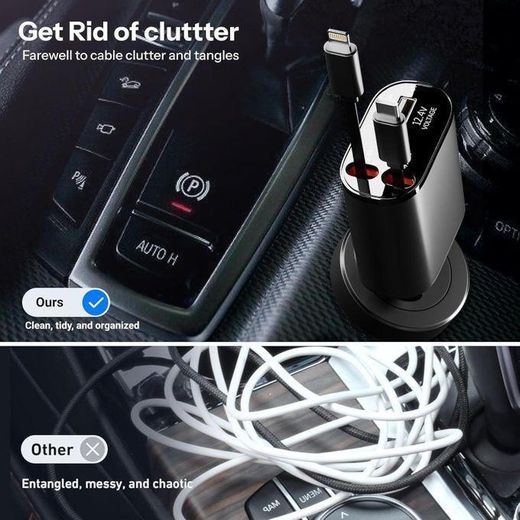
Choose based on where you primarily charge your devices. Wall chargers are convenient for home and office use, while car chargers let you top up on the go. Look for car chargers with multi-port options and stable voltage output, plus compatibility with your vehicle’s cigarette-lighter socket. Ensure safety features like surge protection and proper insulation, and avoid cheap third-party models that lack essential protections.
How do I maintain and protect my adapters and chargers?
Keep chargers clean and dry, stored in a cool, ventilated area away from heat sources. Inspect cables for fraying or exposed conductors and replace damaged ones immediately. Use original or certified cables to prevent performance drops or safety risks. When not in use, coil cables loosely to prevent internal damage and store adapters in a protective sleeve or pouch.
What should I look for in a universal voltage charger or adapter?
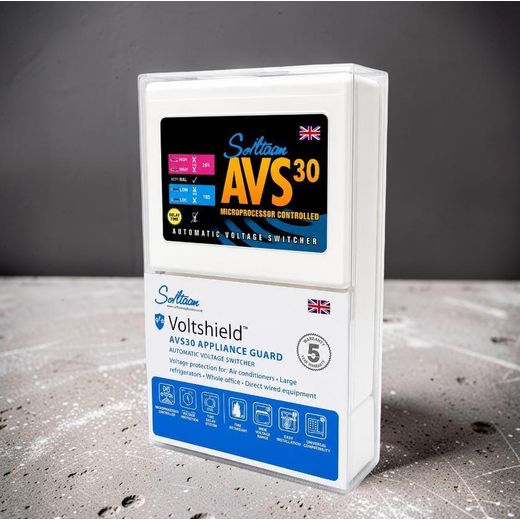
A universal voltage charger should clearly indicate input ranges and support for common standards like 110–240V. Look for safety features such as short-circuit protection, over-temperature sensing, and auto-sensing capability. Multi-port options are convenient for charging phones, tablets, and laptops simultaneously. Brand reputation and warranty coverage add peace of mind when making a purchase.
Are there risks in using generically branded chargers, and how can I avoid them?
Yes, cheap generics can lack essential safety protections and may deliver unstable power, risking device damage. To avoid risk, choose reputable brands with clear certifications and warranty. Read customer reviews for real-world performance, and avoid chargers with damaged insulation or exposed wiring. Always use a plug adapter compatible with your country’s outlets to prevent voltage or plug mismatches.