HomePipe bender
Express

Frequently Asked Questions about Pipe bender

How do I choose the right Pipe bender for my project?
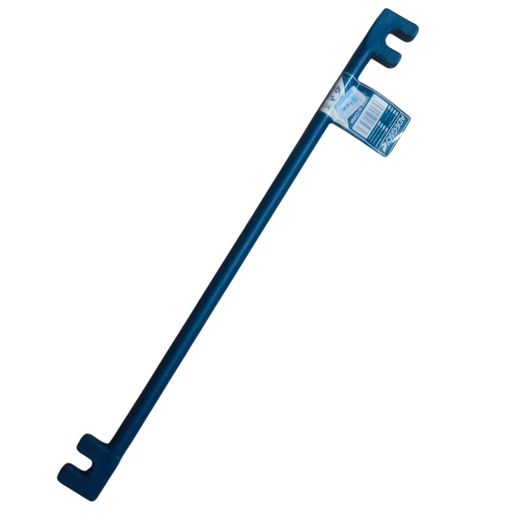
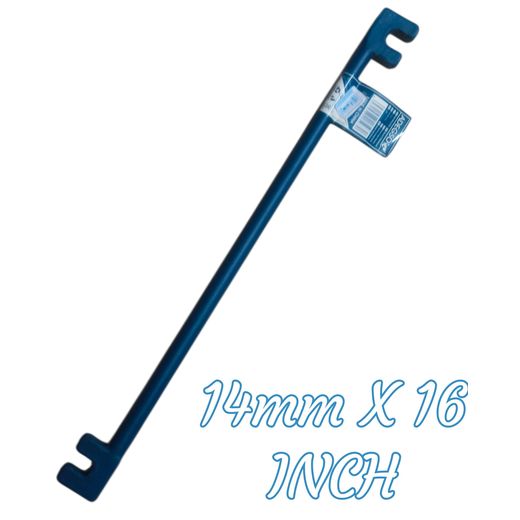
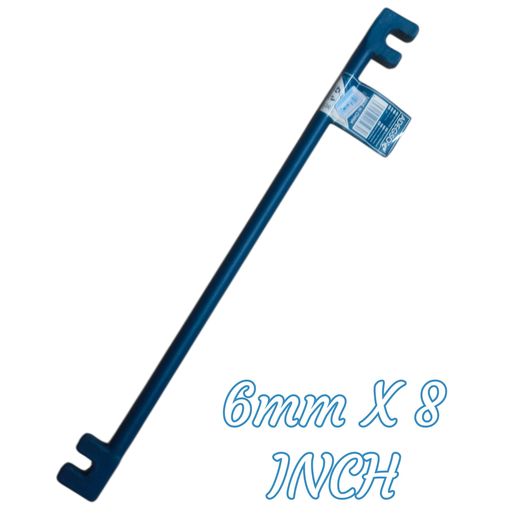
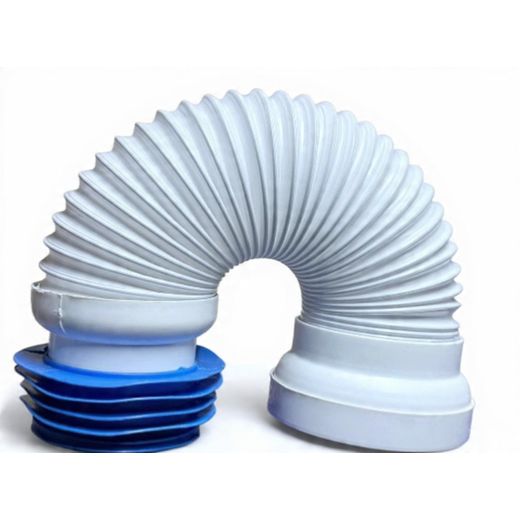
Start by identifying your primary use: electrical conduit work or metal rod bending. For electrical tasks, a lightweight, corrosion‑resistant option like the 1 inch PVC Spring Pipe Bender made from stainless steel is ideal, weighing only 0.25 kg and offering a universal fit for quick, precise bends on 1 inch PVC conduits. If you need to shape metal bars or rebar, opt for heavier duty steel bending tools available in sizes such as 6 mm, 8 mm, and up to 14–16 inch lengths, designed for robust bending across materials.
What is the most complex feature to evaluate in a Pipe bender?
The adjustable bending mechanism and its compatibility with multiple material profiles is the most complex feature. Tools with an adjustable lever, like some models in this range, allow you to tailor bending radius and force, enabling precise bends on round, flat, or square materials. This versatility helps you switch from small-diameter conduits to thicker metal rods without changing tools, ensuring consistent results across different projects.
Which tool should I choose for home DIY versus professional HVAC/plumbing work?
For home DIY electrical projects, a lightweight, corrosion‑resistant conduit bender is practical, such as a 1 inch PVC variant with universal fit and low weight, suitable for quick setups. For professional HVAC or plumbing tasks, choose heavier steel bending bars designed to handle thicker elements like rebar or pipe rods, available in diameters such as 6 mm, 8 mm, or larger lengths, providing greater strength and durability in tough environments.
What maintenance steps help extend the life of a Pipe bender?
Keep the tool clean and dry after each use to prevent rust. Wipe away debris from the jaws and lever, and apply a light protective oil to metal contact points to reduce wear. Store in a dry place away from moisture and humidity. Regularly inspect the bending areas for nicks or deformities, and replace or service worn parts promptly to maintain consistent performance across different jobs.
How can I ensure I’m using the right size for pipes and rods?
Match the tool to the diameter of what you’re bending. For electrical conduit work, look for options compatible with 1 inch PVC conduits, like the stainless steel model noted for its universal fit. For metal bending, verify the tool supports your material’s diameter, such as 6 mm, 8 mm, or 14 mm bars, and confirm the handle length and leverage will produce the desired bend without over stressing the material.
What safety tips should I follow when using a Pipe bender?
Wear eye protection and gloves to guard against chips and sharp edges. Secure the workpiece and keep bystanders clear of the bending arc. Work slowly to avoid kinking or cracking the pipe or rod, and never exceed the tool’s designed bending capacity. Maintain a stable stance, apply steady pressure with the lever, and inspect the finished bend for any deformation before continuing with the project.